The food packaging industry is changing quickly. Customers no longer look at packaging only as something that protects their food. Packaging has become part of the overall brand experience, influencing purchasing decisions, customer perception, social media engagement, and even whether a customer remembers a business.
Restaurants, bakeries, cafés, food trucks, takeaway brands, and food manufacturers are increasingly looking for packaging that combines functionality, branding, convenience, and sustainability.
In 2026, the most successful food packaging strategies are moving beyond generic boxes and bags. Businesses are experimenting with custom printing, paper-based materials, minimalist designs, reusable concepts, interactive packaging, and packaging that creates a stronger connection between the product and the brand.
If you are planning to update your food packaging this year, here are the 10 food packaging trends to watch in 2026.
1. Sustainable Food Packaging Continues to Grow
Sustainability remains one of the biggest trends influencing food packaging.
Consumers are becoming more conscious of packaging waste, while food businesses are looking for alternatives to excessive plastic and unnecessary materials.
Paper-based packaging is increasingly attractive because it can be used for a wide range of food applications.
Popular options include:
- Paper food boxes
- Kraft packaging
- Paper bags
- Grease-resistant paper
- Custom butter paper
- Paper wraps
- Cardboard trays
- Recyclable food packaging
However, sustainability should not come at the expense of performance. Food businesses still need packaging that protects products from grease, moisture, crushing, and contamination.
The trend in 2026 is therefore moving toward packaging that combines sustainability with practical performance.
2. Custom Printed Food Packaging
Generic packaging can make it difficult for smaller food brands to stand out.
Custom printed packaging provides an opportunity to put a company’s visual identity directly in front of customers.
Businesses are increasingly customising:
- Food boxes
- Burger boxes
- Pizza boxes
- Paper bags
- Cups
- Wrappers
- Butter paper
- Food trays
- Labels
- Stickers
A simple logo, recognisable colour scheme, or repeating pattern can make packaging instantly identifiable.
For growing food businesses, custom packaging can also help create consistency across different products.
3. Custom Butter Paper Is Becoming a Branding Tool
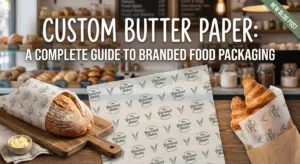
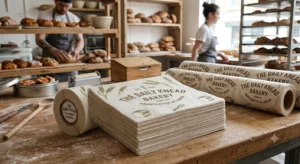
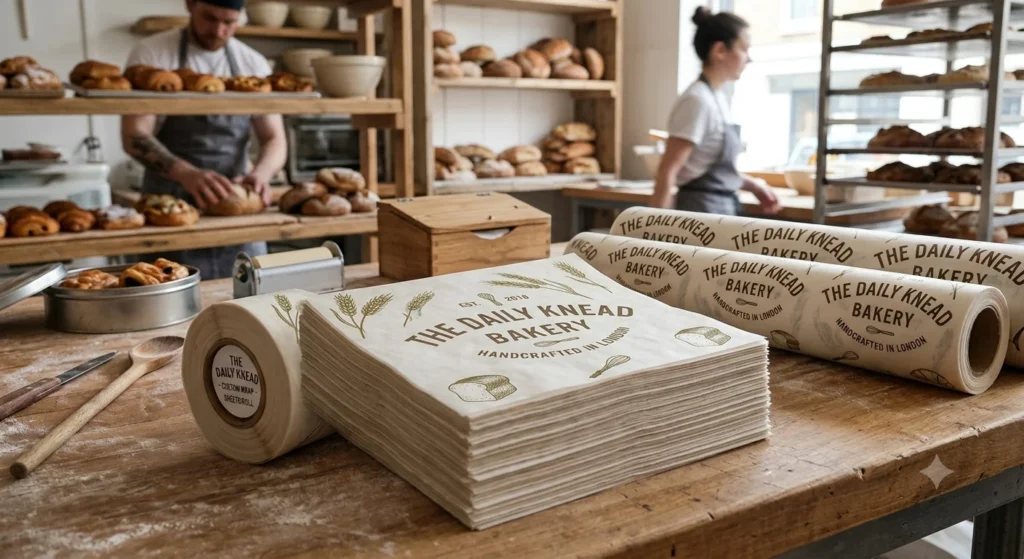
Butter paper has traditionally been used primarily for wrapping and protecting food. Today, businesses are increasingly using custom wax paper as part of their branding strategy.
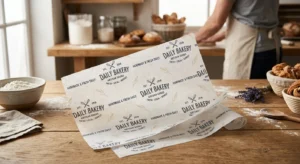
Restaurants can wrap burgers and sandwiches in branded sheets. Bakeries can use custom printed paper for pastries and cookies. Cafés can use branded sheets for breakfast items and snacks.
Instead of plain paper, businesses can add:
- Logos
- Brand patterns
- Taglines
- Brand colours
- Social media handles
- QR codes
- Promotional messages
This turns a simple food wrapping material into an additional brand touchpoint.
At Unique Custom Packaging, businesses can customise butter paper sheet according to their required size, design, and application.
4. Minimalist Packaging Designs
Minimalism continues to influence modern packaging design.
Instead of filling packaging with excessive graphics and information, brands are increasingly choosing clean layouts with limited colours, simple typography, and clear branding.
A minimalist package can communicate:
Simple. Premium. Professional.
For example, a bakery may use a clean kraft-coloured box with a small logo, while a premium restaurant could use a neutral-coloured wrapper with subtle branding.
The goal is not to remove branding but to make it more intentional.
5. Packaging Designed for Social Media
Food presentation has become increasingly connected with social media.
Customers frequently photograph food before eating it, especially when the packaging looks attractive or distinctive.
This creates an opportunity for brands to design packaging that looks good in photographs.
Social-media-friendly packaging may include:
- Bold branding
- Interesting patterns
- Premium finishes
- Unique opening experiences
- Custom illustrations
- Memorable colours
- Short brand messages
- Instagram-friendly presentation
When customers voluntarily photograph branded packaging, the business can receive additional exposure without paying directly for every impression.
6. QR Codes on Food Packaging
QR codes are becoming a practical addition to modern food packaging.
A restaurant can place a QR code on its butter paper, food box, bag, or label that directs customers to a specific online destination.
For example, a QR code could lead to:
- Online menus
- Ordering pages
- Loyalty programs
- Social media profiles
- Customer reviews
- Brand websites
- Promotional offers
- Product information
The important factor is providing customers with a useful reason to scan the code.
A QR code should not simply be added for decoration. It should connect the physical packaging with a useful digital experience.
7. Premium Packaging for Everyday Food
Premium packaging is no longer limited to luxury products.
Restaurants, bakeries, cafés, and food brands are using better packaging to increase the perceived value of everyday products.
A burger wrapped in attractive branded paper can feel more premium than the same burger wrapped in generic paper.
Likewise, a bakery product presented in a customised box with branded butter paper can create a stronger customer experience.
This trend is particularly useful for businesses competing in crowded local food markets.
8. Packaging With Better Convenience
Consumers want packaging that makes eating and carrying food easier.
In 2026, convenience continues to influence packaging design.
Businesses are paying more attention to:
- Easy-to-open boxes
- Secure closures
- Portion-friendly packaging
- Stackable designs
- Lightweight materials
- Leak-resistant construction
- Easy-to-carry bags
- Practical food wraps
Good packaging should make the customer’s experience easier rather than creating unnecessary frustration.
For takeaway businesses, this is particularly important because packaging has to survive transportation from the restaurant to the customer’s home.
9. Personalized and Limited-Edition Packaging
Personalisation is another interesting trend for food brands.
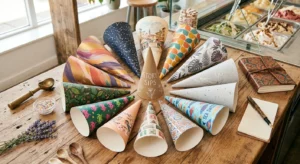
Instead of using exactly the same packaging throughout the year, businesses can create limited-edition designs for:
- Holidays
- Product launches
- Anniversaries
- Special events
- Collaborations
- Seasonal menus
- Promotional campaigns
For example, a bakery could create special packaging for Valentine’s Day, while a restaurant could introduce limited-edition packaging for a new menu launch.
This creates a sense of novelty without requiring the business to completely redesign its permanent packaging.
10. Packaging as Part of the Brand Experience
Perhaps the biggest trend is the shift from viewing packaging as a simple container to viewing it as part of the complete customer experience.
Think about the journey:
Customer orders → food is prepared → packaging protects it → customer receives it → packaging is opened → food is presented → customer interacts with the brand.
Every step represents an opportunity to communicate quality.
A consistent combination of boxes, bags, butter paper, labels, stickers, and printed materials can make a small restaurant look more established and professional.
How to Choose the Right Food Packaging Trend for Your Business
Not every trend is suitable for every business.
Before changing your packaging, consider:
Your Product
What are you packaging? A greasy burger requires different protection than a dry bakery product.
Your Customers
Are your customers looking for convenience, sustainability, premium presentation, affordability, or something else?
Your Brand
Your packaging should reflect your existing visual identity rather than looking completely disconnected from your website and other marketing materials.
Your Budget
Custom packaging does not necessarily mean using expensive materials. Simple custom printing can sometimes create a major visual improvement without requiring elaborate packaging structures.
Your Packaging Volume
Businesses with high order volumes should consider packaging efficiency, storage space, production quantities, and per-unit cost.
Custom Butter Paper Size Guide
If you are considering custom butter paper for your food business, selecting the appropriate sheet size is important.
| Size | Dimensions | Suitable For |
|---|---|---|
| Small | 8 × 8 inches | Cookies and small bakery items |
| Medium | 10 × 10 inches | Sandwiches and pastries |
| Large | 12 × 12 inches | Burgers and wraps |
| Extra Large | 14 × 14 inches | Large food products |
| Bakery | 15 × 20 inches | Bakery applications |
| Catering | 16 × 24 inches | Large servings |
| Custom | Made to order | Specific requirements |
Businesses can also select different paper weights depending on the intended application.
Why Custom Packaging Matters in 2026
Food businesses are competing for attention both offline and online.
A customer may discover a restaurant through social media, order food through a delivery platform, receive the product in branded packaging, photograph it, and share it with friends.
Packaging is therefore connected to marketing.
A well-designed package can help:
- Increase brand recognition
- Improve perceived value
- Encourage social sharing
- Create a professional image
- Differentiate products
- Improve customer experience
- Reinforce brand consistency
This is why custom packaging should be considered part of a food brand’s marketing strategy rather than simply an operational expense.
Final Thoughts
The food packaging industry is becoming more creative, practical, and brand-focused. In 2026, businesses are looking beyond basic containers and exploring packaging that provides better functionality while creating memorable customer experiences.
From sustainable food packaging and custom printed materials to branded butter paper, minimalist designs, QR codes, and social-media-friendly presentation, there are numerous ways for food businesses to modernise their packaging.
You do not need to adopt every trend. The best approach is to choose packaging solutions that match your product, customers, brand identity, and budget.
If you’re looking for custom butter paper, custom butter paper sheets, or other customised food packaging, Unique Custom Packaging can help create packaging solutions designed around your business requirements.
Contact Unique Custom Packaging to discuss your custom food packaging needs and create packaging that protects your products while helping your brand stand out.